Hospitality & service
Why a butler school trains companies
March 05, 2026 · 6 min read
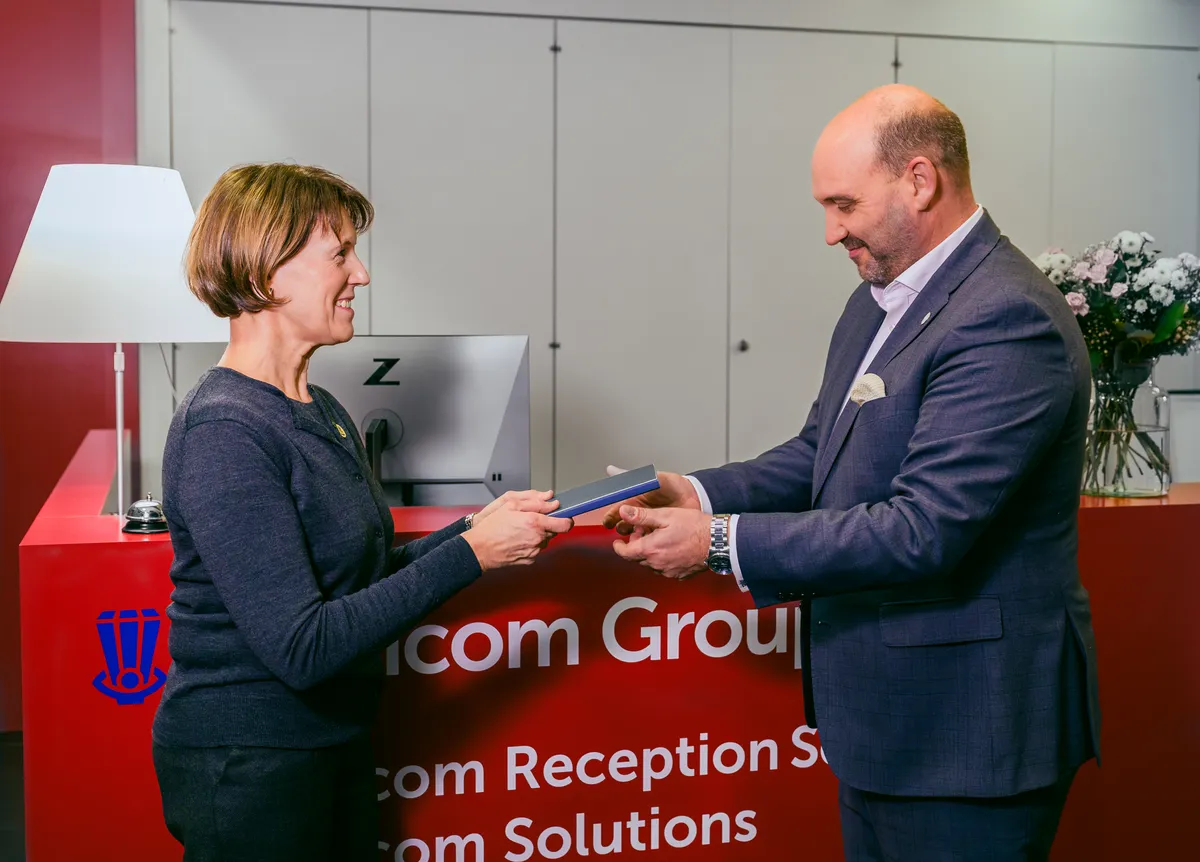
Why a butler school is training companies.
When I started the School for Butlers & Hospitality, I genuinely believed we would only train butlers for private estates, luxury yachts and exceptional households. Business training was never part of the plan.
Then one day, we received a request from Mercedes, and I remember thinking:
“What does a butler school have to do with business?”
At the time, I still associated butlers with silver trays, formal service and luxury residences. But the moment I stepped into that corporate environment, something immediately struck me. Not because the company lacked professionalism, and certainly not because the product was poor. Quite the opposite. The product was exceptional. What surprised me was that even a premium brand of that level was not fully aware of what true hospitality could look like in practice.
That moment completely changed my perspective on customer experience.
I realised that the real role of a butler has very little to do with serving food. The true role of a butler is anticipation. It is understanding people, noticing discomfort before somebody mentions it, removing friction before it becomes frustration and creating an experience that feels effortless to the guest.
Once I understood that, I started recognising the same challenges in almost every industry imaginable. Hotels, retail stores, airports, restaurants, automotive brands and even highly respected luxury companies often struggle with the exact same issue. They invest heavily in products, marketing and design, while underestimating the emotional impact of the human experience around those products.
Even luxury brands often get hospitality wrong
I remember visiting Hermès in Brussels and being surprised by how robotic the welcome and sales process felt. Everything was technically correct. The store looked beautiful, the procedures were followed and the employees were professional.
Yet emotionally, something was missing.
There was very little warmth, very little spontaneity and almost no anticipation. That experience taught me something important. Customers do not only evaluate products. They evaluate feelings. People remember whether they felt welcomed, understood and valued, and many companies underestimate how strongly those emotions influence loyalty.
This is one of the reasons why some businesses create incredibly loyal customers while others feel cold and transactional, even when their products are excellent.
Why do customers leave companies even when the product is good?
One of the biggest misconceptions in business today is the belief that customers leave because of pricing or competition alone. Of course those elements matter, but very often customers leave because of friction.
A guest walks into a showroom and nobody acknowledges them. An employee answers the phone without energy or ownership. A customer gets redirected from department to department. Small moments like these slowly damage trust and create emotional distance between the company and the customer.
One sentence I hear surprisingly often during trainings is: “That’s sales. They should be here.”
The moment I hear that sentence, I already know there is a cultural issue inside the organisation. Customers do not care about internal structures or departments. From the customer’s perspective, they are dealing with one company, one brand and one experience. The moment employees start pushing responsibility toward other departments, customers immediately feel the fragmentation inside the business.
Most companies expect hospitality without teaching it
This is probably one of the biggest discoveries we made after training companies around the world. Most organisations expect employees to deliver excellent customer experience without ever properly defining what hospitality actually means inside their business.
Teams are expected to “be good with customers,” yet there are often no behavioural standards, no communication guidelines, no onboarding systems and no clear emotional vision for the customer journey. Hospitality becomes accidental instead of intentional.
This is exactly why we developed the first four steps of Guestology 2.0 around identifying the DNA of the company before training employees.
Because hospitality should never feel generic.
A premium automotive brand should not communicate like a discount retailer. A luxury boutique should not create the same atmosphere as a fast food restaurant. The language, behaviour and emotional experience must align with the identity of the company itself. Customers notice very quickly when those elements are disconnected.

One simple language change can improve customer experience immediately
One of the most overlooked elements in customer experience is communication. Many employees are uncomfortable starting conversations with guests simply because they do not know what to say.
In the butler world, communication is trained continuously. Not because butlers are naturally more confident, but because systems are created around language. Teams are given examples, conversation structures and practical ways to guide interactions naturally.
In reality, many companies could dramatically improve customer experience by simply creating a language book for employees. The words teams use every day shape the emotional experience customers have with the brand. Small phrases can either create reassurance and trust or create frustration and emotional distance.
Anticipation changes everything
If there is one principle from the butler world that creates the strongest emotional impact, it is anticipation.
A butler does not wait for the guest to ask. The butler thinks ahead constantly. Could this situation become confusing? Is important information missing? Could this guest feel uncomfortable? Is there a detail we can prepare in advance to make the experience smoother?
Customers immediately feel when a company truly thinks ahead, and that feeling creates trust. Not because the company is perfect, but because the customer feels taken care of.
This is one of the most powerful lessons we bring into companies today. Hospitality is not about being formal or luxurious. It is about reducing friction, increasing emotional comfort and creating consistency in the experience customers receive.
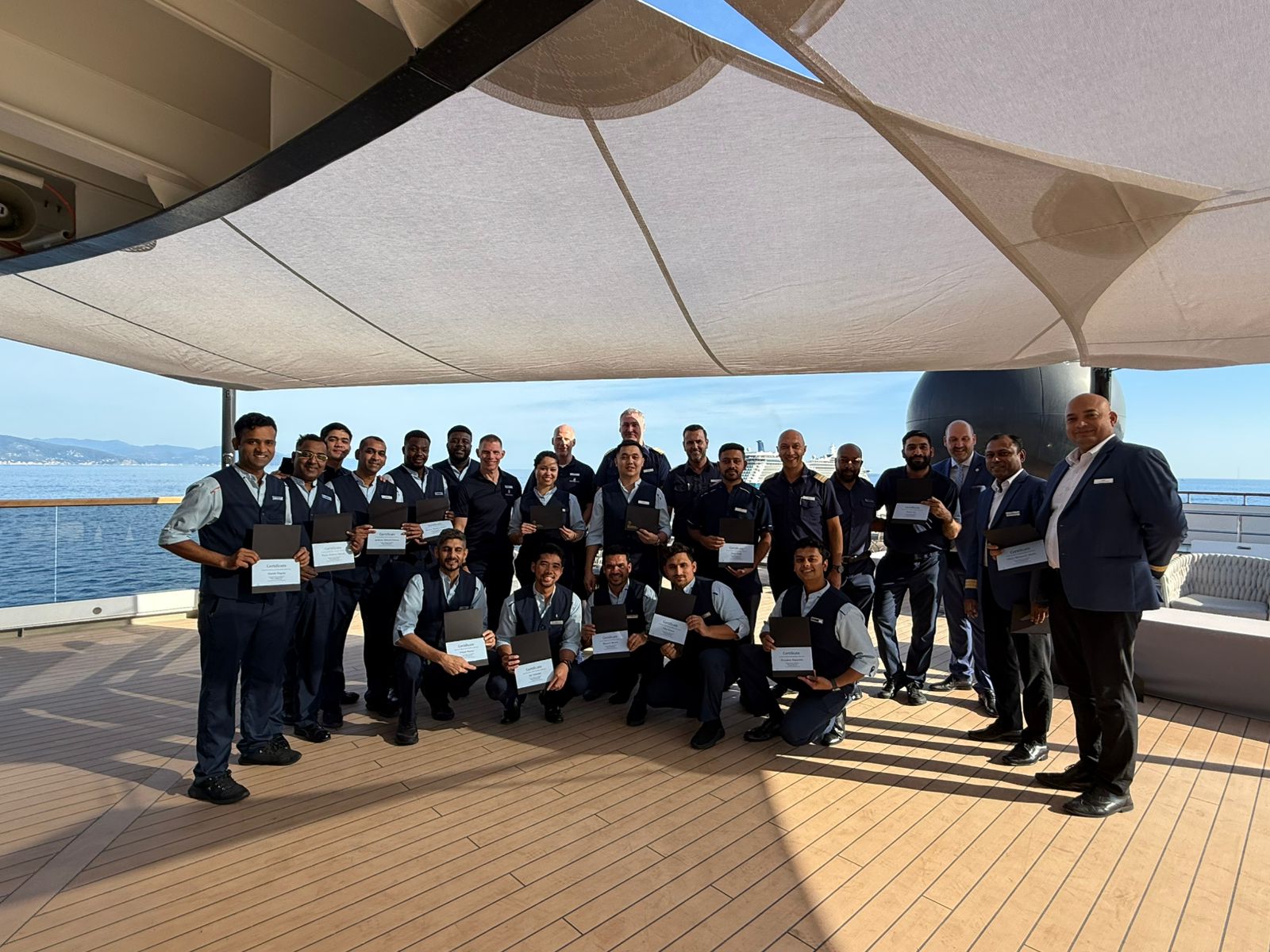
Ritz-Carlton Yacht Collection training - School for Butlers & Hospitality
Why we now train companies around the world
Over the years, our work evolved far beyond traditional butler training. Today, through the School for Butlers & Hospitality and Guestology 2.0, we train companies around the world because hospitality is no longer just a luxury concept. It has become a business advantage.
Products can be copied. Technology can be copied. Marketing campaigns can be copied. But culture is much harder to replicate.
Customers feel culture in every interaction they have with a business, whether it is through an email, a phone call, a showroom visit or a conversation with a frontline employee.
That is why a butler school is training companies today. Not to create unnecessary luxury, but to help organisations build experiences people genuinely remember.
In a world that is becoming increasingly automated, the human side of business is becoming more valuable every year.
If you want to discover more about Guestology 2.0, hospitality and the butler mindset, follow the blog and explore how customer experience becomes one of the strongest competitive advantages a company can build.