
Hospitality & service
The 3 hidden reasons businesses lose customers
March 23, 2026 · 7 min read
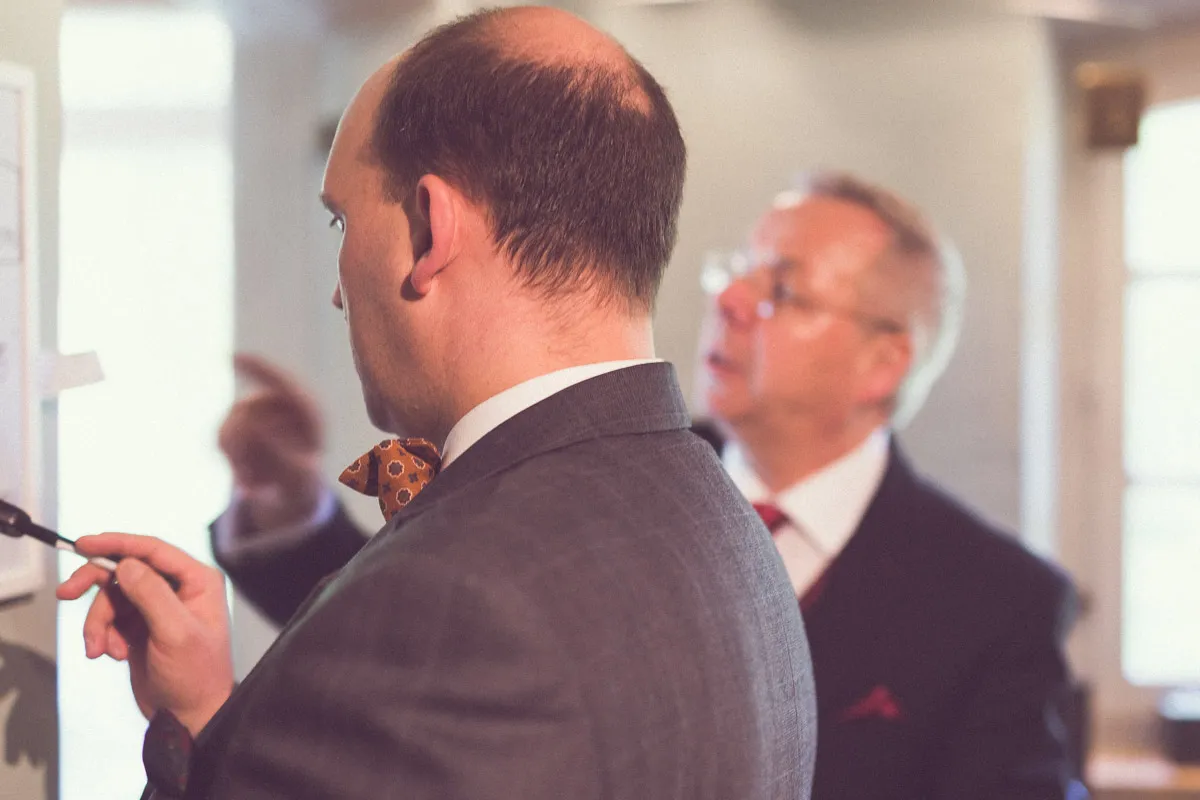
Most businesses believe customers leave because of price, competition or marketing.
Of course those things matter. But after years of training hospitality professionals, luxury brands and companies in completely different industries, I started noticing something else happening repeatedly.
Customers often leave because the experience slowly stops feeling comfortable.
Not because of one catastrophic mistake. Usually because of a buildup of small moments that create friction, uncertainty or emotional distance over time. The difficult part is that these moments are often almost invisible internally because they become normal inside the company.
I remember when we started training businesses outside the traditional hospitality world. One of the things that genuinely surprised me was how much effort companies invested into branding, architecture, advertising and visual identity while paying very little attention to the actual interaction happening between employees and customers.
The company looked premium. The experience often did not.
That realization changed how I started looking at customer experience entirely.
The smallest moments usually reveal the biggest problems
One of the very first things I notice when entering a hotel, restaurant or store is whether employees acknowledge your existence immediately.
I am not saying somebody should interrupt another customer halfway through helping them. But there is a huge difference between being busy and making somebody feel invisible.
A quick eye contact, a small nod or a simple gesture that communicates “I have seen you and I will be with you shortly” already changes the emotional atmosphere completely. Good hospitality understands that waiting itself is often not the real frustration, uncertainty is.
What fascinates me is that exactly the same thing happens digitally. I recently visited several company websites where the most valuable part of the page, the section above the fold, was completely wasted talking about the company itself instead of the frustration or problem the customer was experiencing.
Awards. History. Generic statements.
Meanwhile the visitor arrived with a specific question they wanted answered immediately.
To me, that is also hospitality. Hospitality is not limited to carrying trays or opening doors. It is the ability to reduce friction and create clarity for another human being.
Whether that happens physically or digitally makes very little difference.
The first hidden reason is inconsistency.
One of the biggest operational problems I see inside organisations is inconsistency. Customers never experience your departments separately. They experience one overall feeling attached to your brand.
One employee delivers exceptional service naturally while another creates stress without realizing it. One department communicates warmly while another feels cold and transactional. One day the company feels premium while the next day it feels chaotic.
Over time that inconsistency quietly damages trust because customers no longer know what to expect.
What is interesting is that this inconsistency is rarely caused by bad intentions. In many cases it is caused by weak onboarding and a lack of cultural alignment.
Most companies expect employees to “be hospitable” without clearly defining what hospitality actually means operationally inside that organisation.
- What language should employees use?
- How should ownership work?
- How should uncertainty be handled?
- What should happen when a customer looks confused?
- How do employees guide instead of point?
Most organisations leave these things vague and hope employees naturally figure them out.
I remember visiting a major hotel group at one point and genuinely thinking to myself: how can a company of this size not see this?
The operational side existed. Employees learned technical skills quickly and procedures were clearly trained. But there was no real academy structure capable of spreading the same mindset consistently across departments and properties.
That distinction matters enormously.
Many businesses teach employees what to do, but not why it matters emotionally to the customer experience. Over time the service becomes mechanical because people are performing actions without understanding the psychology behind them.
The second hidden reason? Emotional disconnection.
I once visited a luxury retail environment in Paris where technically everything was correct.
The appearance of the staff was impeccable (as it should because they sold clothing). The greetings were polished. The procedures were clearly trained.
And yet the experience felt strangely robotic because nobody adapted naturally to the customer standing in front of them. Everything felt scripted instead of attentive.
That observation stayed with me because it highlighted something many businesses misunderstand. Procedure is not the same as hospitality.
Real hospitality requires observation, adaptation and anticipation. It requires employees to think beyond the checklist in front of them.
This is one of the reasons butler training translates surprisingly well into business environments. In private households there is very little room for emotional friction because discomfort becomes visible extremely quickly. Guests cannot disappear anonymously into a crowd the way they can in larger business environments.
Butlers are trained to notice uncertainty early, to observe behavior. To anticipate discomfort before it becomes frustration and that mindset applies everywhere.
Sometimes something as simple as remembering a name, escorting somebody instead of pointing or asking one thoughtful question completely changes how a customer experiences the business. Those moments often matter far more than companies realize because customers emotionally remember how interactions felt long after they forget operational details.
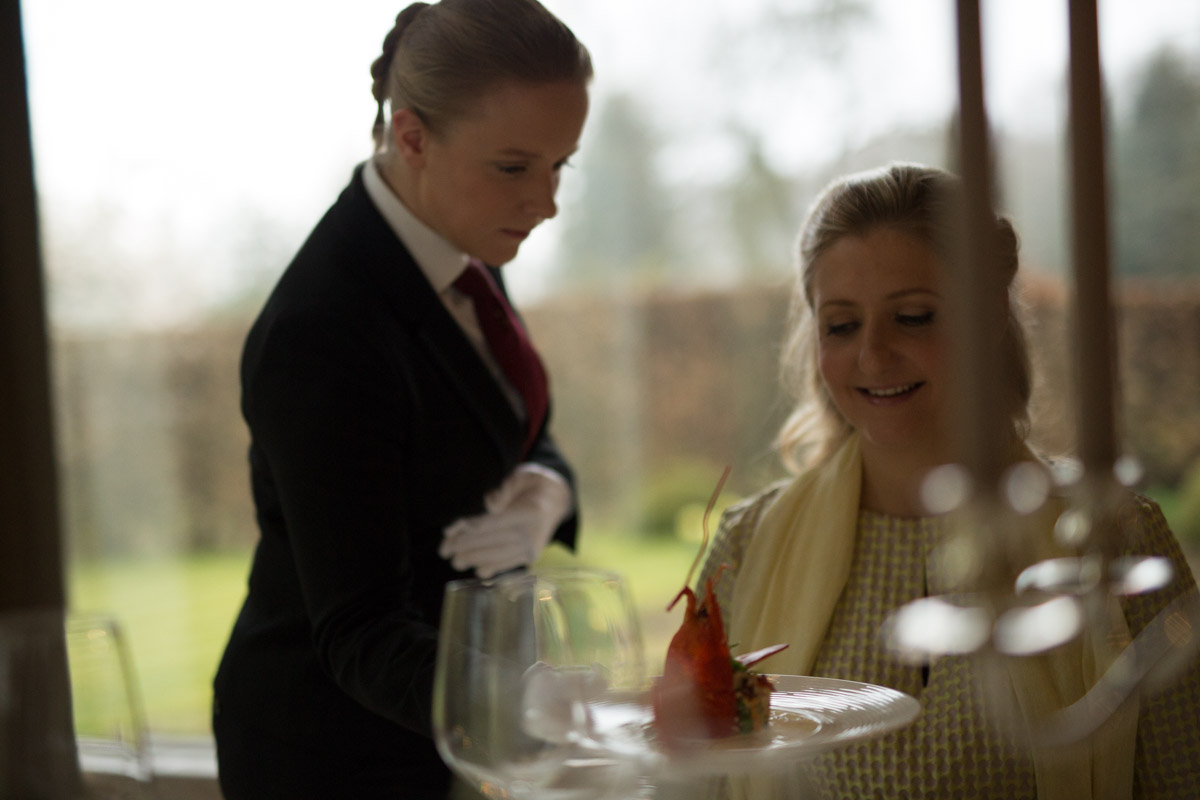
The third hidden reason is that companies stop observing themselves.
A while ago I heard Tony Robbins say that we can stay ahead because of pattern recognition. Many things keep happening over and over again and we can learn from it.
One pattern I constantly notice is that managers slowly become blind to the customer journey because they experience it every single day.
Internally, certain frustrations gradually become normalized, for example: long waiting times start feeling acceptable.
Transactional communication becomes routine or departments stop taking ownership because responsibility becomes fragmented internally.
None of these things usually happen intentionally. They simply accumulate slowly over time while businesses focus heavily on operations, reporting and efficiency.
I have seen management teams completely change perspective during live observations. Initially they often believe the service standards are already strong.
When we point out these flaws, it's like they wake up from a lucid dream. They all know it has to be done but they have no idea why it is not being done in their absence.
When we walk through the customer journey together in real time, they suddenly begin noticing awkward silences, uncertainty, lack of ownership and inconsistent communication patterns that had become invisible internally.
That is one of the reasons hospitality matters so much in business. It forces organisations to observe themselves through the eyes of the customer again instead of through internal processes alone.
Why small operational changes often create the biggest improvements
The good news is that improving customer experience rarely requires giant revolutionary changes. In fact, some of the strongest improvements we have seen came from surprisingly small operational adjustments repeated consistently over time.
- Teaching employees to escort guests instead of pointing.
- Changing certain phrases during onboarding.
- Helping teams understand anticipation instead of simple reaction.
- Clarifying ownership between departments.
- Training managers to observe discomfort earlier.
These things sound small on paper, yet they completely change how a business feels to the customer.
That is also why Guestology 2.0 focuses heavily on operational reality instead of abstract motivation. Culture is not built through posters on walls or slogans during meetings. It is built through repeated behavior, language, onboarding and standards that consistently reflect the DNA of the company.
Customers may forget many details of a product or service over time. What they usually remember very clearly is whether interacting with the company felt easy, reassuring and consistent.
One exercise I often recommend to management teams is surprisingly simple. Walk through your own business as if you have never seen it before.
- Observe the waiting moments.
- Observe uncertainty.
- Observe how employees communicate.
- Observe where friction naturally appears.
Most companies discover far more than they expected because customer experience problems are often hiding in plain sight.
And many businesses losing customers silently are simply no longer observing themselves honestly.
All the best, Vincent